Batik in
Australasia & Oceania
Batik in Australasia & Oceania
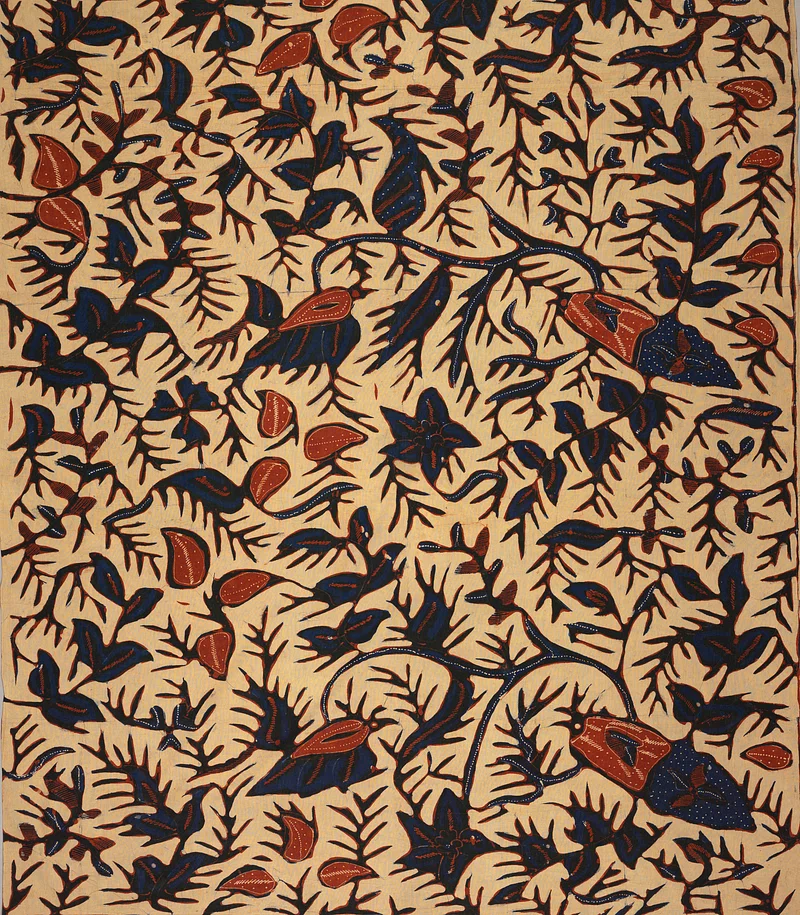
In Australasia and Oceania, batik is not an ancient indigenous textile tradition but one that arrived through trade, migration, and cultural exchange—most strongly from Indonesia and Southeast Asia.
In Australia, Papua New Guinea, and parts of the Pacific, resist-dye traditions existed long before batik’s arrival, but they typically used different techniques such as bark painting, weaving, and natural dye decoration rather than wax resist. Batik was introduced more recently, particularly in the 20th century, through Indonesian influence, art education programs, and textile artists working across the region.
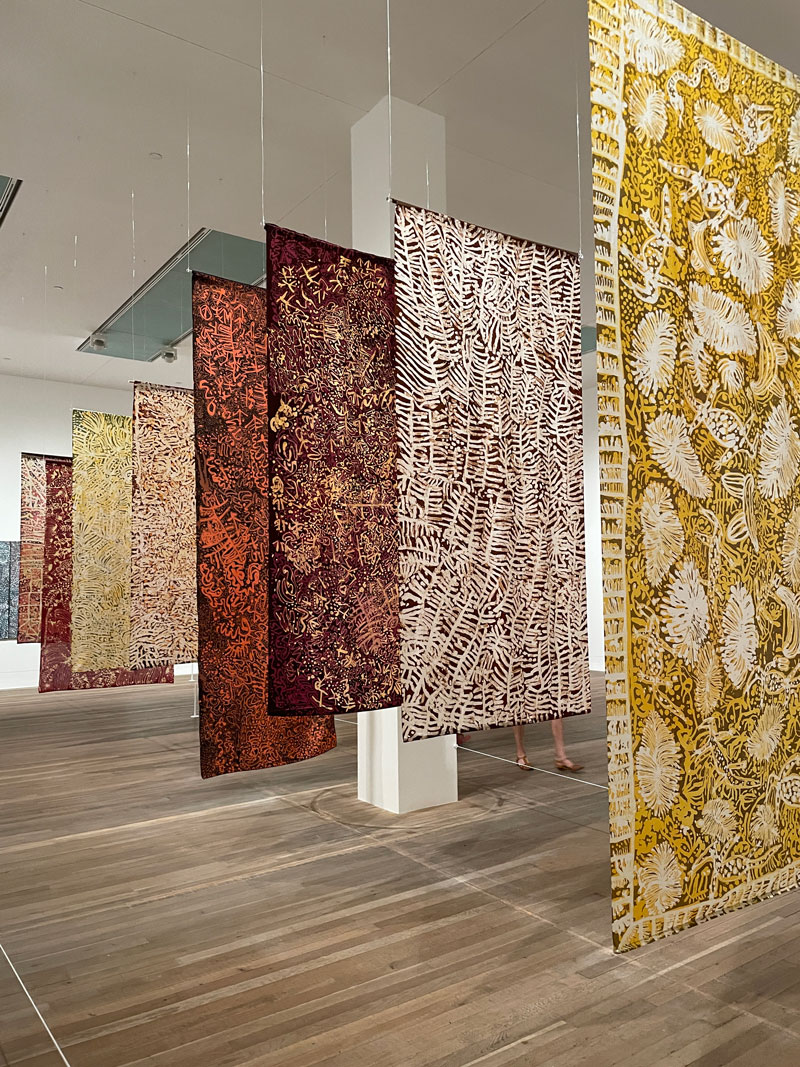
Australia saw growing interest in batik during the 1970s and 1980s, when it became popular in art schools and community craft movements. Artists began combining batik methods with local imagery, including Aboriginal-inspired landscapes, native flora and fauna, and coastal themes. While not a traditional Indigenous practice, it was sometimes used as a contemporary medium by both settler and Indigenous artists exploring new textile forms.
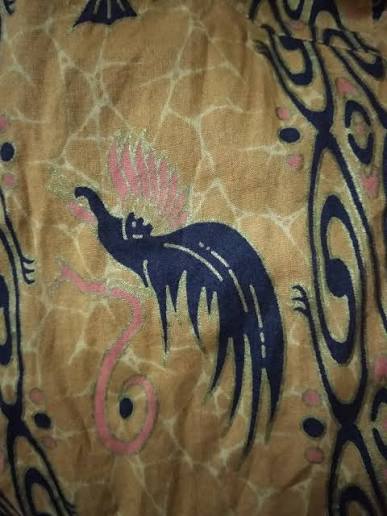
In Papua New Guinea, batik and other wax-resist techniques have been adopted more widely in modern craft production, often blending imported methods with strong local visual traditions such as storytelling motifs, ceremonial patterns, and depictions of village life. Batik is now commonly produced for both local use and the tourist market.
Across Oceania more broadly, including parts of Polynesia and Melanesia, batik remains a relatively modern art form rather than a heritage textile. It is mainly practiced in small workshops, schools, and artist collectives, where it is valued for its flexibility and its ability to merge with existing Pacific design languages rooted in nature, ancestry, and pattern-based storytelling.