Batik in
Russia
Batik in Russia
The history of batik in Russia spans about a century. Unlike countries such as Indonesia or India, Russia did not develop its own tradition of wax painting on fabric. Since ancient times, fabrics have been painted primarily using various hand-printing techniques.
The art of hand-painted fabric and batik emerged in the early 20th century thanks to cultural exchanges with Asia and Europe, along with the fashion for Art Nouveau and its demand for luxurious painted silk shawls and dresses with asymmetrical patterns. This is when the first printed batik manuals and workshops appeared. However, this interest waned by the mid-20th century and was revived during the Soviet era in the 1960s, when interest in decorative and applied arts and textile painting increased. Soviet artisans adapted traditional wax painting techniques and also experimented with “cold batik”—a method in which a cold liquid reserve, instead of wax, is applied to the fabric as an outline using a glass tube. This method was used to make utilitarian items such as headscarves, scarves, ties, dress coupons, and interior design items including curtains, tablecloths, napkins, and lampshades. In fact, batik at the time meant only “cold batik” and hand-painted fabric in general.
For most of the 20th century, behind the “Iron Curtain,” Russia remained aloof from global trends. Few artists in the USSR had the opportunity to travel abroad to experience batik in its native land. Those enthusiasts who did so laid the foundation for its future development. In the 1970s, a new generation of textile artists emerged, trained at the Stroganov and Mukhin schools or at the Textile Institute, who focused on “author’s batik.”
The Growth of Batik in Russia
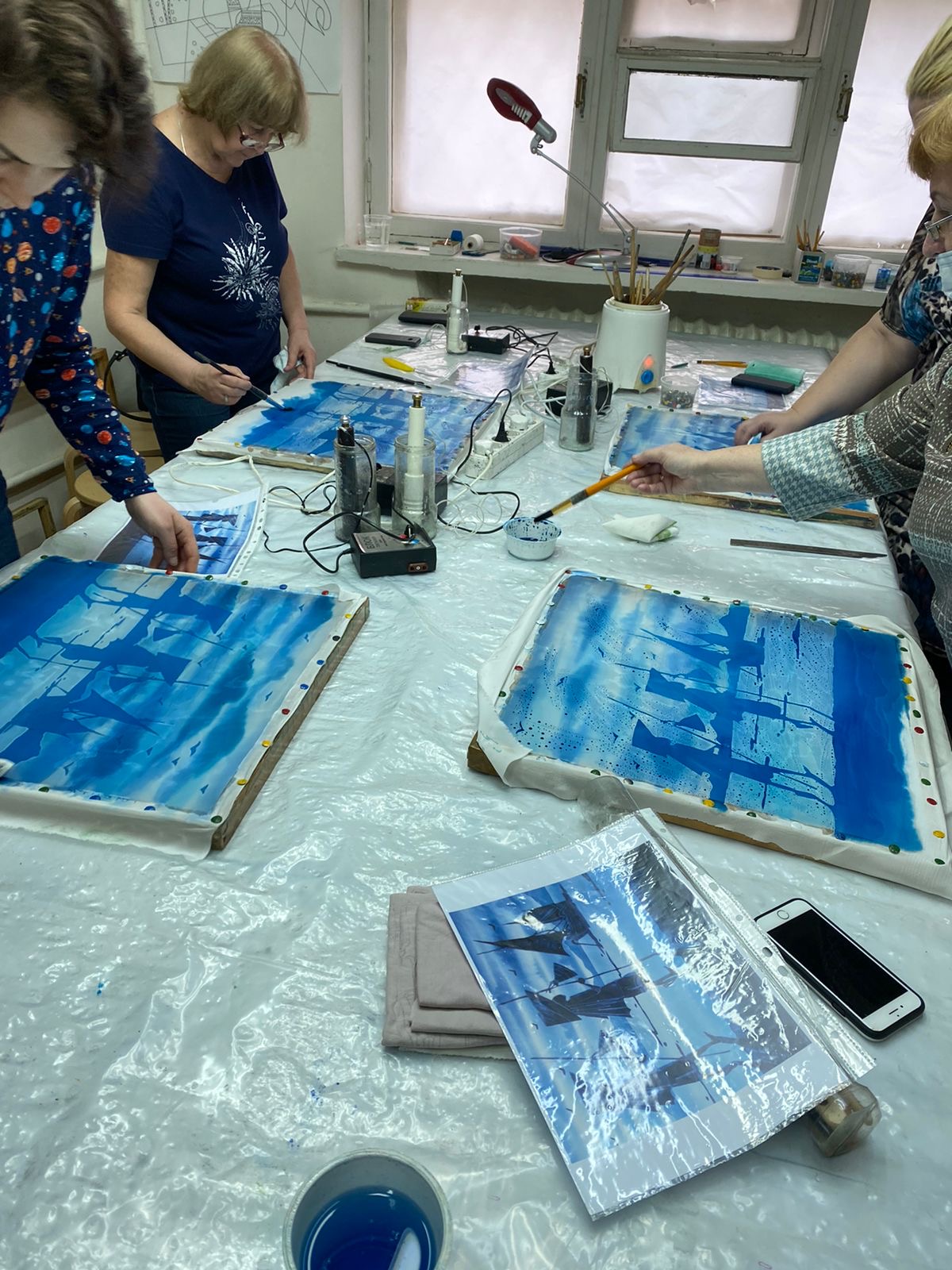
A surge of interest in batik occurred in the 1970s and 1980s, and especially at the end of the century, when borders opened and opportunities arose to learn about it firsthand, and cultural exchanges with colleagues around the world intensified. This marked the beginning of batik’s rapid development in Russia as a fully-fledged art form. At the same time, thanks to its magical qualities, many masters and amateurs continue to practice batik as a decorative art. It is taught in art schools, colleges, courses, including online courses, and in specialized workshops.
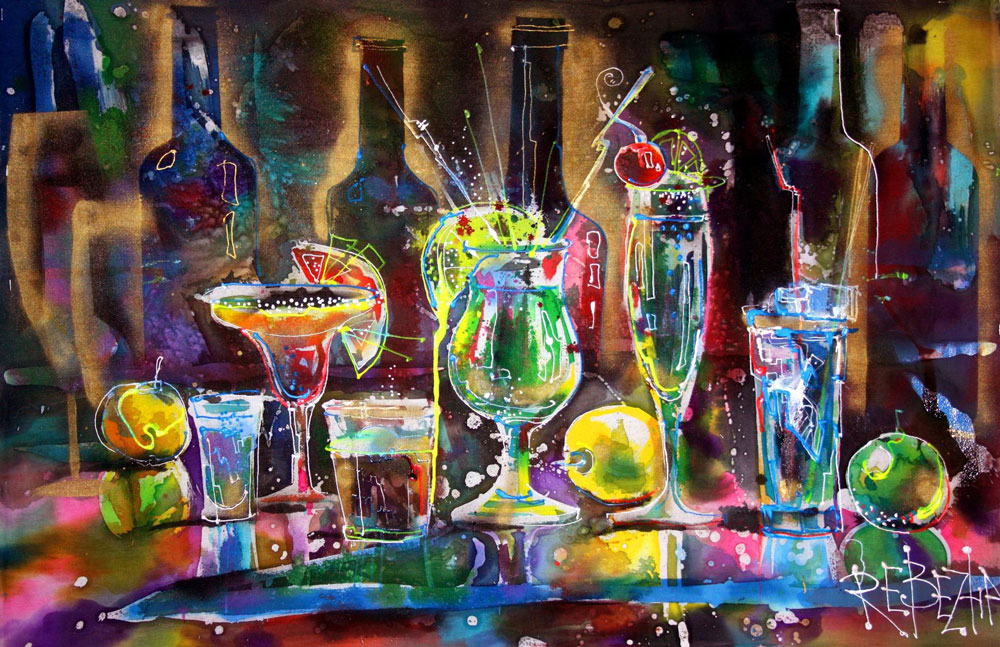
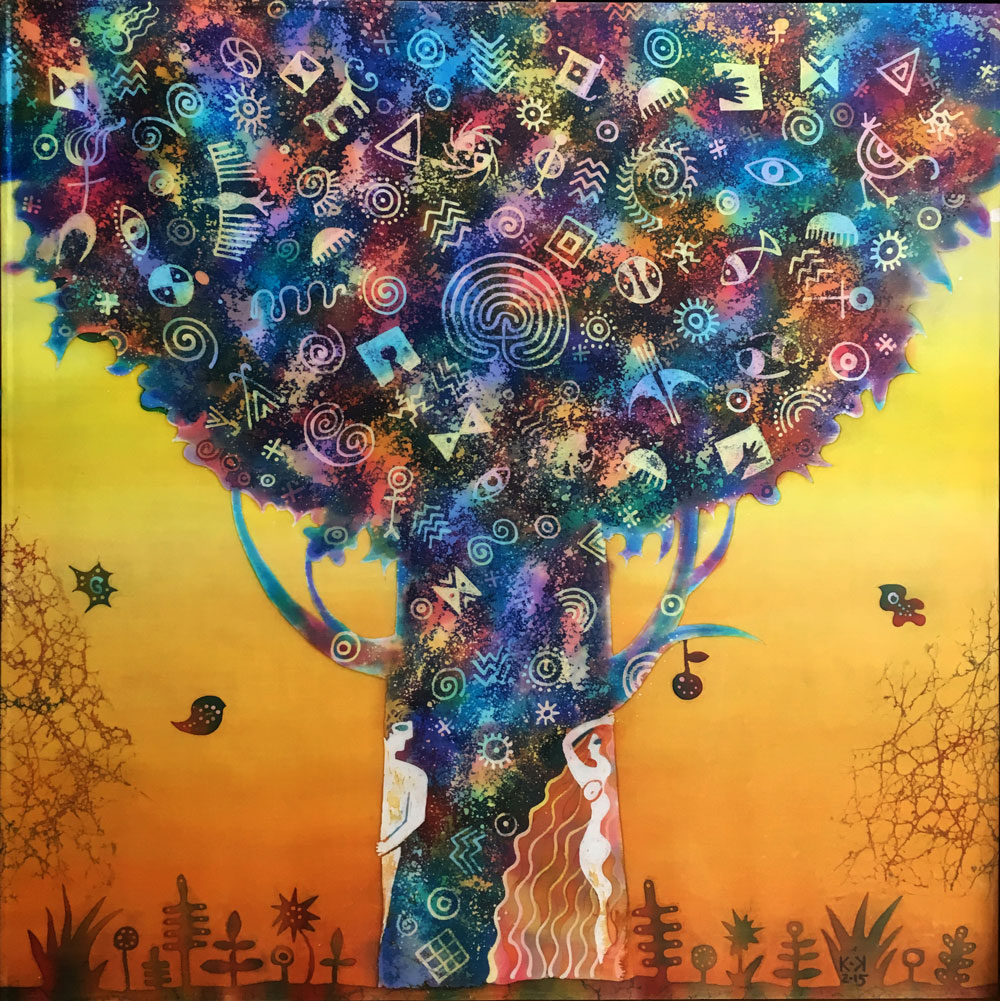
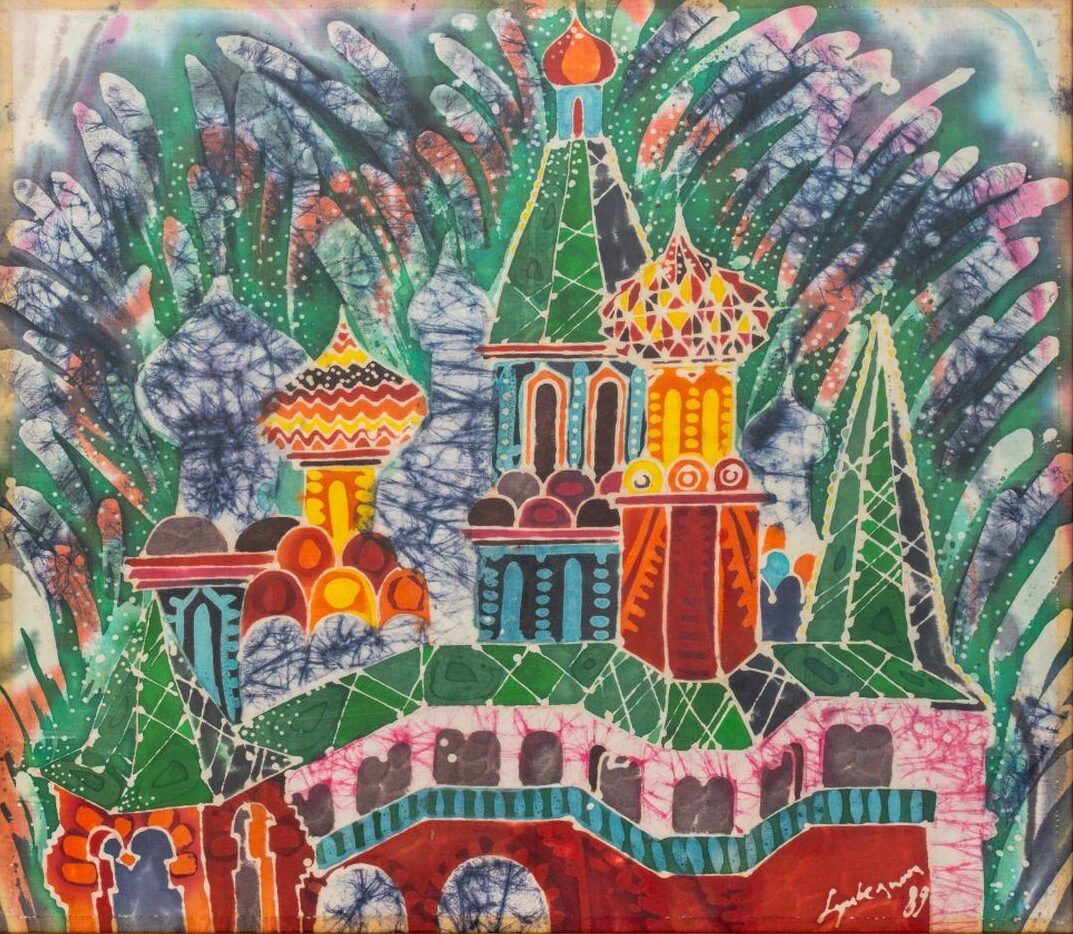
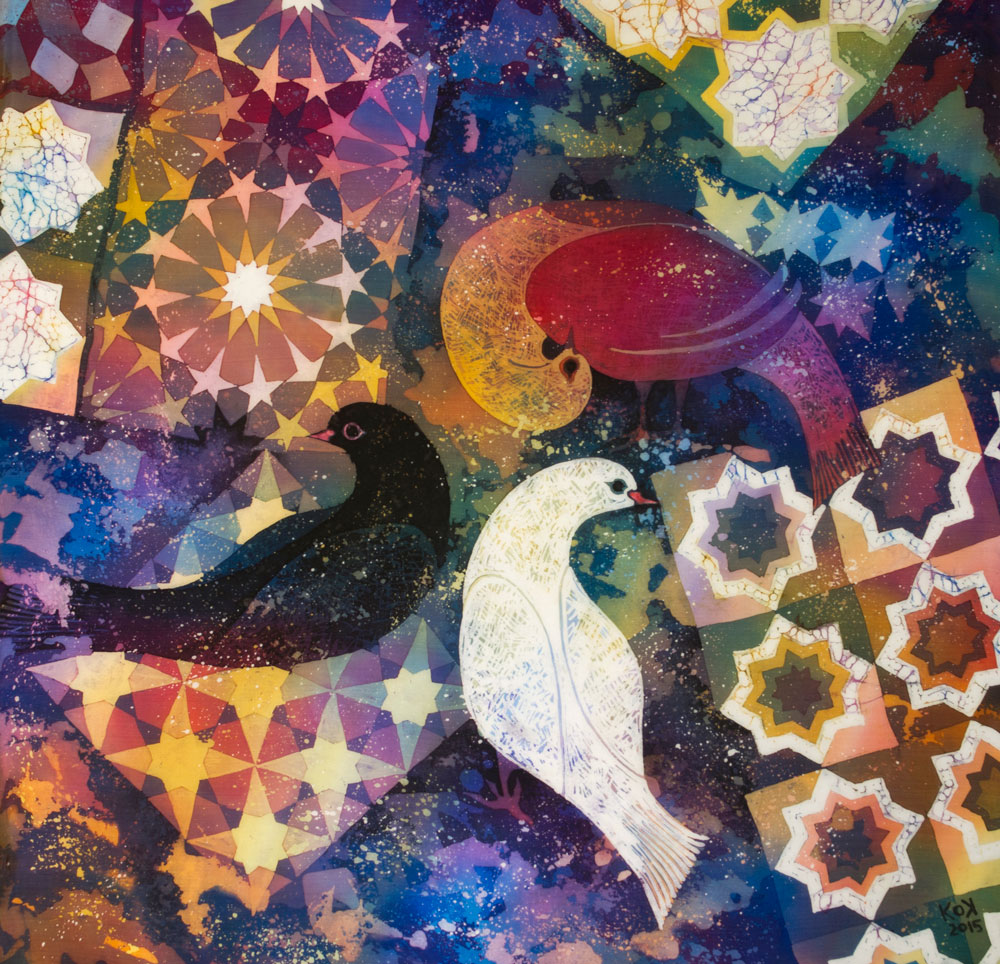
Today, batik in Russia is a vibrant creative field for contemporary artists, who have explored a variety of themes and styles, from traditional, quintessentially rooted in its origins, to monumental and experimental, utilizing the latest ideas, techniques, and tools. It combines the effects of watercolor, graphic art, stained glass, and mosaic. It is widely used in interior design, embellishing it with giant panels and installations, and allows for the creation of exclusive fabrics for both high fashion and everyday wear.
Batik Organizations and Leading Artists in Russia
In Russia, there are many associations of artists working in textiles, and batik in particular. One of them is the AHDI (Association of Decorative Art Artists), which has a section dedicated to batik. It is a kind of batik “Gild” within a large association of contemporary artists from Moscow and Russia. Here, you can see the full thematic and technical diversity of batiks by artists from Russia.
One of the leading batik artists and specialists in Russia is Sergei Davydov. He is a founder of new stylistic trends and techniques in the art of fabric painting. He wrote the first basic books on artistic fabric painting in Russia, “Author’s Batik” and “Batik Encyclopedia.” He created and patented unique tools that have greatly expanded the possibilities of fabric painting. Sergey Davydov directs the Batik Center, the only one of its kind in the country, which has been providing knowledge and techniques (batik, “cold batik”, shibori, free-style painting) to both amateur and professional artists for nearly twenty years. His batiks can be seen on his Center’s website and on the AHDI website.
Text by Kate Krivoshey (Russia)