
History of Batik
Batik Through Time
Early Batik Origins
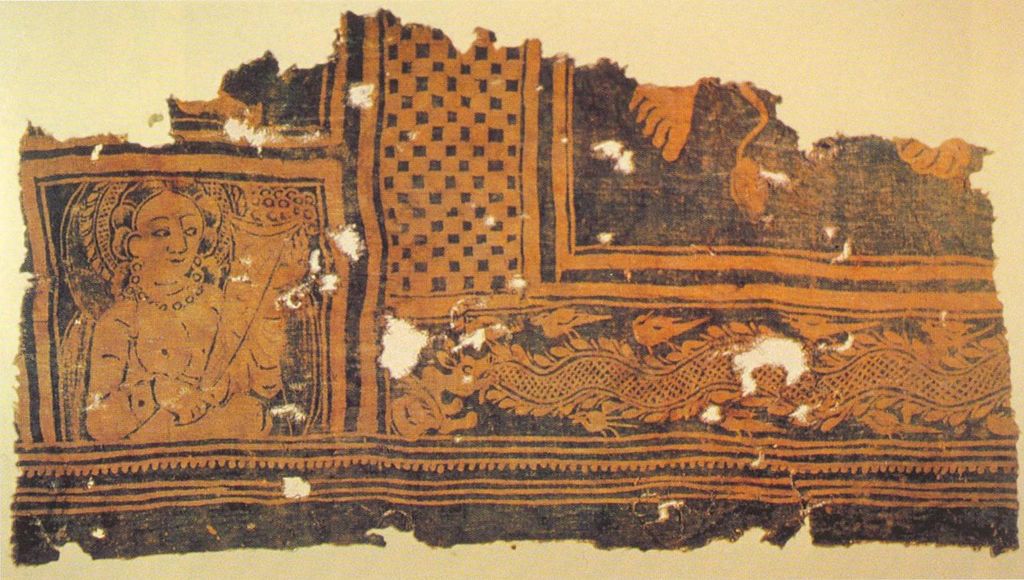
Evidence of early examples of batik have been found in the Far East, Middle East, Central Asia and India from over 2,000 years ago. It is possible that these areas developed independently, without the influence of trade or cultural exchanges. However, it is more likely that the craft spread from Asia to the islands of the Malay Archipelago and west to the Middle East along the caravan trading route.
The Global History of Batik:
From Ancient Asia to African Waxprints
In China, batik was practised as early as the Sui Dynasty (AD 581-618). Silk batiks in the form of screens have also been discovered in Nara, Japan ascribed to the Nara period (AD 710-794). These were probably made by Chinese artists, and are decorated with trees, animals, flute players, hunting scenes and stylised mountains.
–
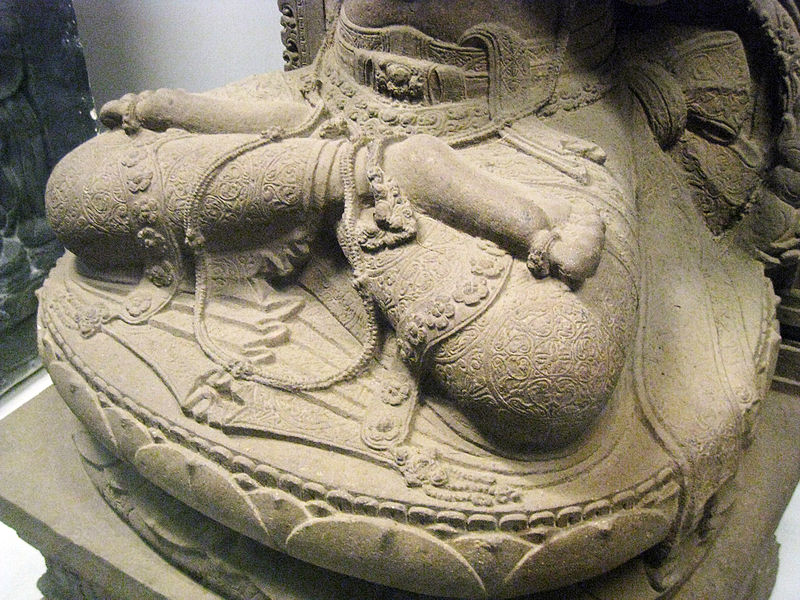
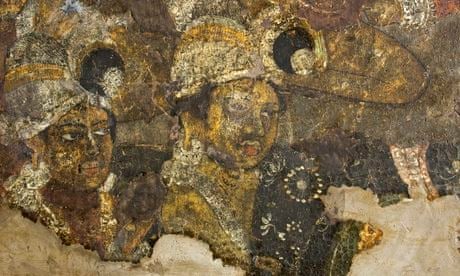
No evidence of very old cotton batiks have been found but frescoes in the Ajanta caves in Maharashtra State, India depict head wraps and garments which could well have been batiks. Likewise temples such as at Borobodur and Prambanan in Java contain carved stone figures dressed in garments patterned in a manner suggestive of batik.
–
In Egypt, linen grave cloths from the 4th century BC have been excavated which show white patterns on an indigo blue background, possibly made by scratching designs into wax. In Africa resist dyeing using cassava and rice paste has existed for centuries in the Yoruba tribes of Southern Nigeria and Senegal.
Indonesia, most particularly the island of Java, is where batik has reached its peak. Here, Chinese, Arab, Indian and European traders bought and sold textiles and the word batik is first specifically mentioned on a cargo bill in the mid-17th century.
However the Javanese proved unwilling to buy this cloth, and Dutch traders and soldiers on their way back to Europe started to sell it in ports in West Africa, where it proved very popular. A new textile tradition was born, one which continues to this day as African waxprint.
In Java, textile merchants responded to the threat by finding a way to speed up the time consuming method of hand drawing the design. Wooden block printing was adapted to batik with the invention of copper stamps (or tjaps as they are known) to apply hot wax.
Imitation batik cloth was produced in numerous European textile printing companies throughout the 20th century, most notably in the UK and Holland. The last factory in England to produce waxprint – Brunnschweilers trading as ABC – closed its doors in Manchester in 2007 and all trading was transferred to Ghana. Now there is just one European producer, Vlisco in Helmond, the Netherlands, a reminder of a colonial past.
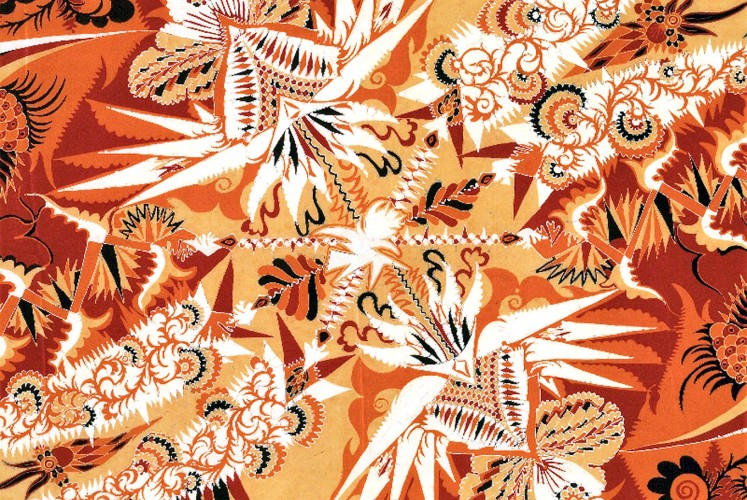
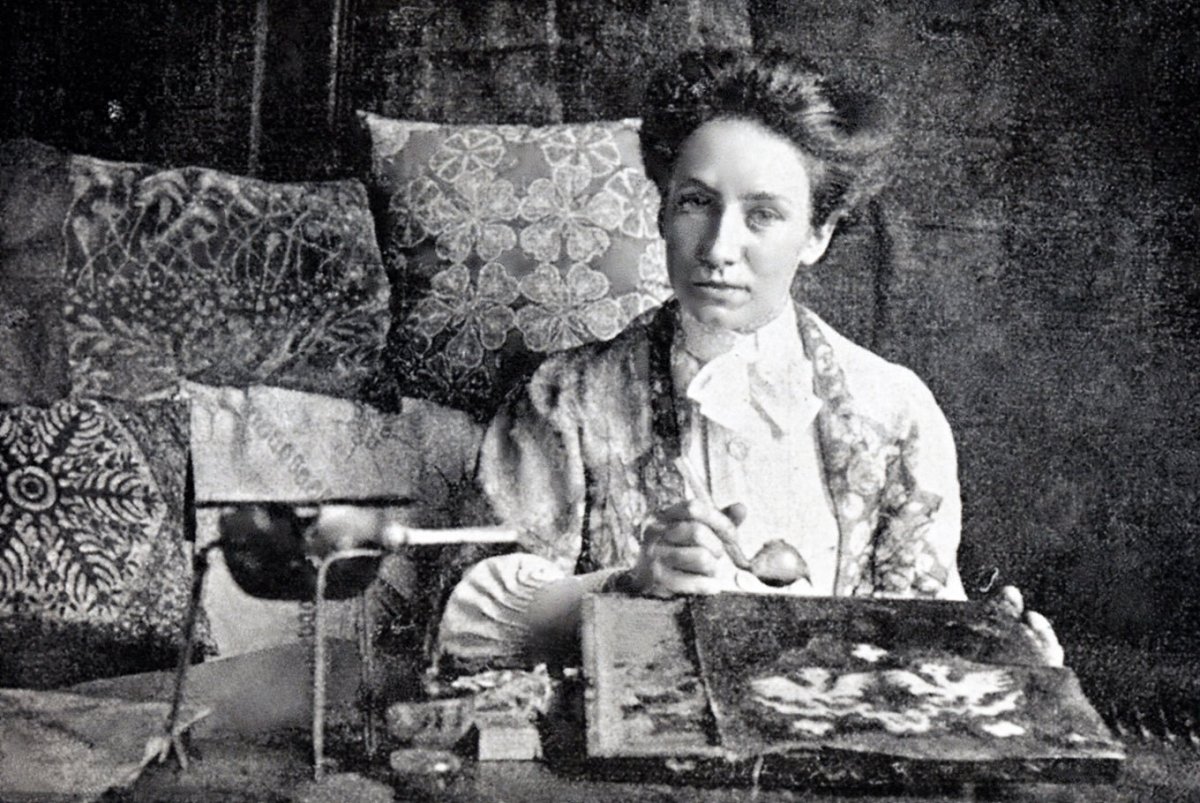
In Europe, these exotic cloths sparked a wave of creativity. In the 1890s in Amsterdam, young artists introduced the batik technique to interior decoration, furnishings, and later fashion. By the early 20th century it was practised by thousands of European and American artists, reaching peak popularity between 1918 and 1925 in countries such as Holland, Germany, France, Poland, and the UK.
Batik declined in the West until the 1960s, when artists like our founder Noel Dyrenforth revived and adapted it. What began in 1986 as a small group of his students has grown into an international community of batik lovers, teachers, and artists.
Text by Diane Gaffney | www.textiletraders.co.uk