Llany Arias
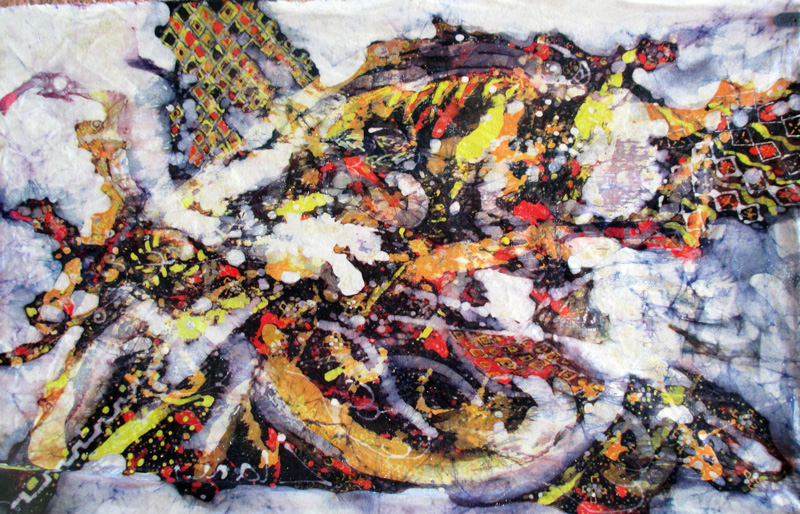
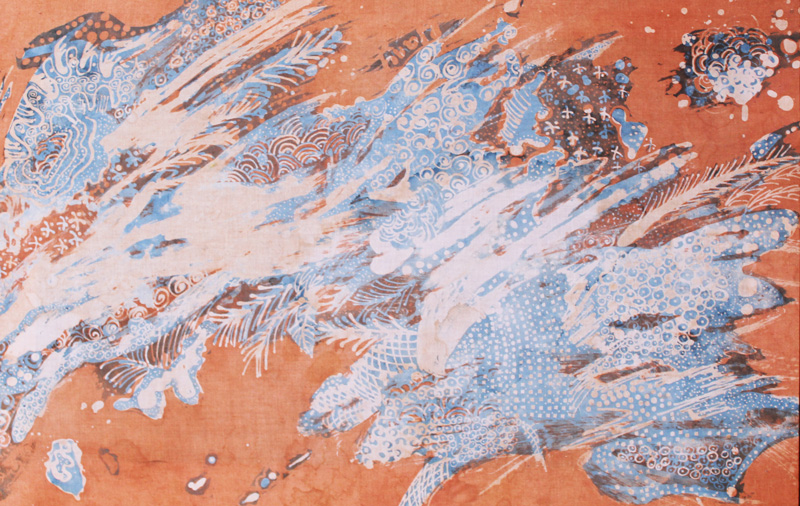
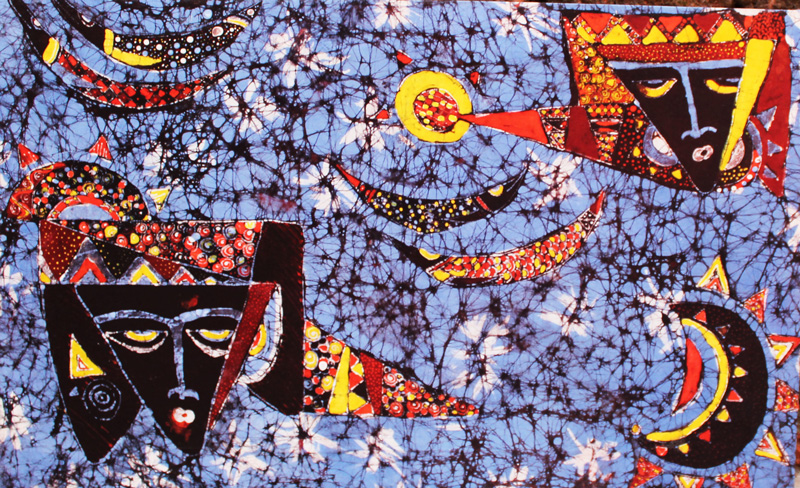
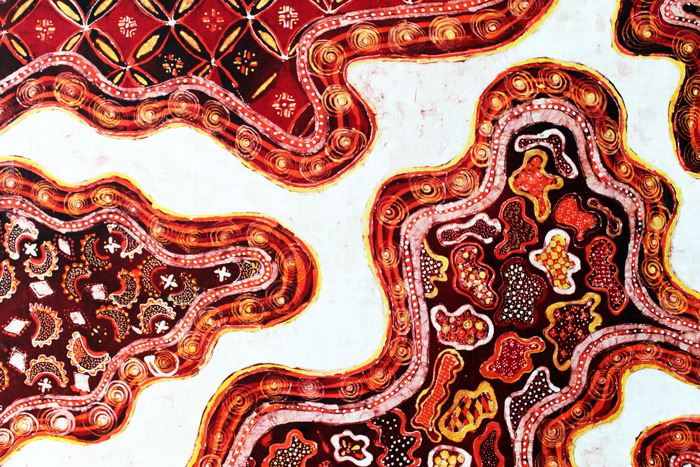
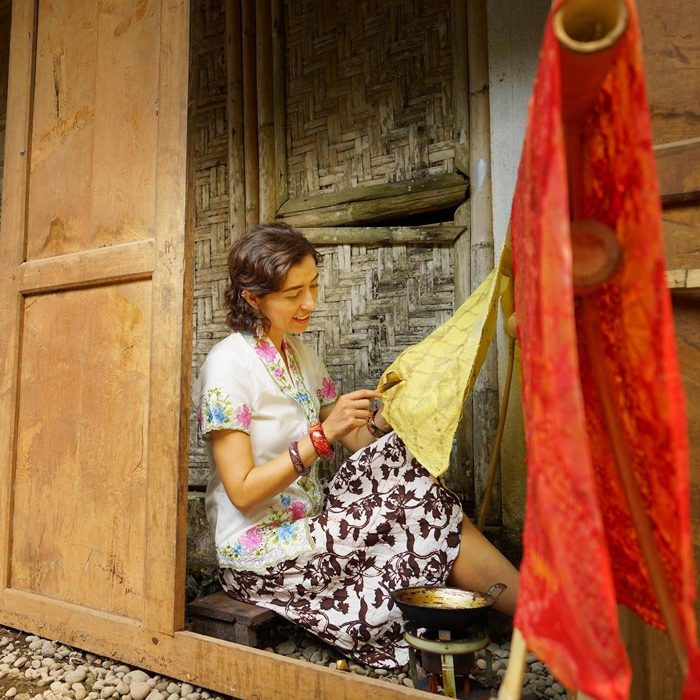
I am Llany, a Mexican multidisciplinary artist and educator specializing in Batik, the ancient textile art of wax-resist dyeing. My journey with Batik began in 2013 while living in Yogyakarta, Indonesia, where I had the privilege of learning this remarkable tradition from a local family of master artisans. Since then, I have returned every year to continue studying with them, deepening both my technical knowledge and my understanding of the cultural and spiritual significance of this art form.
In 2021, after settling in Madrid, I founded Muara Origins (@muara_origins), a studio dedicated to Batik and textile arts. Through workshops, exhibitions, and educational programs—including collaborations with the Embassy of Indonesia—I have worked to introduce this living tradition to new audiences while fostering meaningful cultural exchange.
My artistic practice is rooted in dialogue between cultures. I explore the visual languages of traditional textiles, combining inspirations from Indonesia with motifs and techniques from other parts of the world. In 2024, I traveled through Malaysia and India to study their rich textile traditions, their approaches to Batik, and the symbolism embedded in their patterns. My ongoing research will continue in Africa, China, and Vietnam, where textile heritage remains an essential expression of cultural identity.
Each year, I curate immersive cultural journeys to Indonesia and India for small groups of artists, designers, collectors, and textile enthusiasts. These experiences offer privileged access to the master artisans, workshops, and communities that have shaped my own path, creating opportunities for authentic learning that extend far beyond conventional tourism. As a fluent speaker of Indonesian, Spanish, and English, I serve not only as a guide but also as a cultural bridge between visitors and local artisans.
After more than a decade of learning directly from the guardians of these textile traditions, my mission is to help preserve their knowledge, celebrate their craftsmanship, and create meaningful connections between cultures. These journeys are an invitation to experience textile art not simply as an object of beauty, but as a living heritage carried forward by the people who dedicate their lives to its preservation.