Batik in
Europe
Batik in Europe
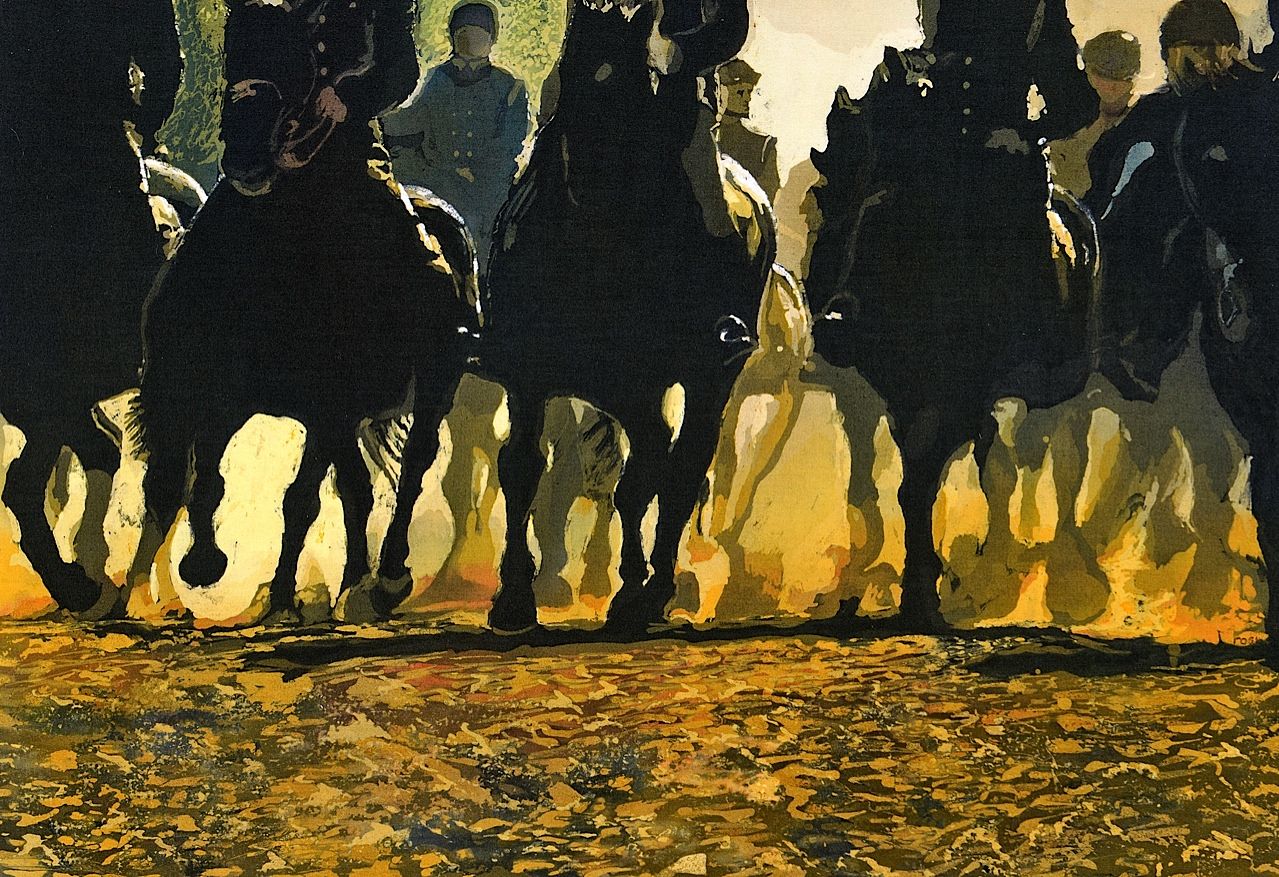
Batik in Europe developed much later than in Asia, emerging in the late 19th and early 20th centuries as artists, designers, and textile enthusiasts became increasingly inspired by the rich fabrics arriving from Indonesia, India, and other parts of the world. European traders and collectors had long admired the intricate patterns of Javanese batik, and as these textiles circulated through exhibitions, import shops, and colonial trade networks, they sparked a growing curiosity about how such effects could be recreated. While the raw materials—cotton, wax, and dyes—were readily available, the technique was adopted more as a creative and decorative art form than as a continuation of any long-standing cultural tradition.
Its growth in Europe was closely linked to the Arts and Crafts movement of the late 19th century, which championed handmade work, natural materials, and a return to skilled craftsmanship in reaction to industrial mass production. Batik fit naturally into this philosophy, offering a process that was slow, tactile, and deeply personal. Later, as modern art education took hold in the early 20th century, schools and design institutes began incorporating batik into their curricula as a medium for experimentation and individual expression. Institutions like the Bauhaus in Germany embraced textile arts as a serious discipline, and batik became one of several techniques through which students explored color, pattern, and surface design
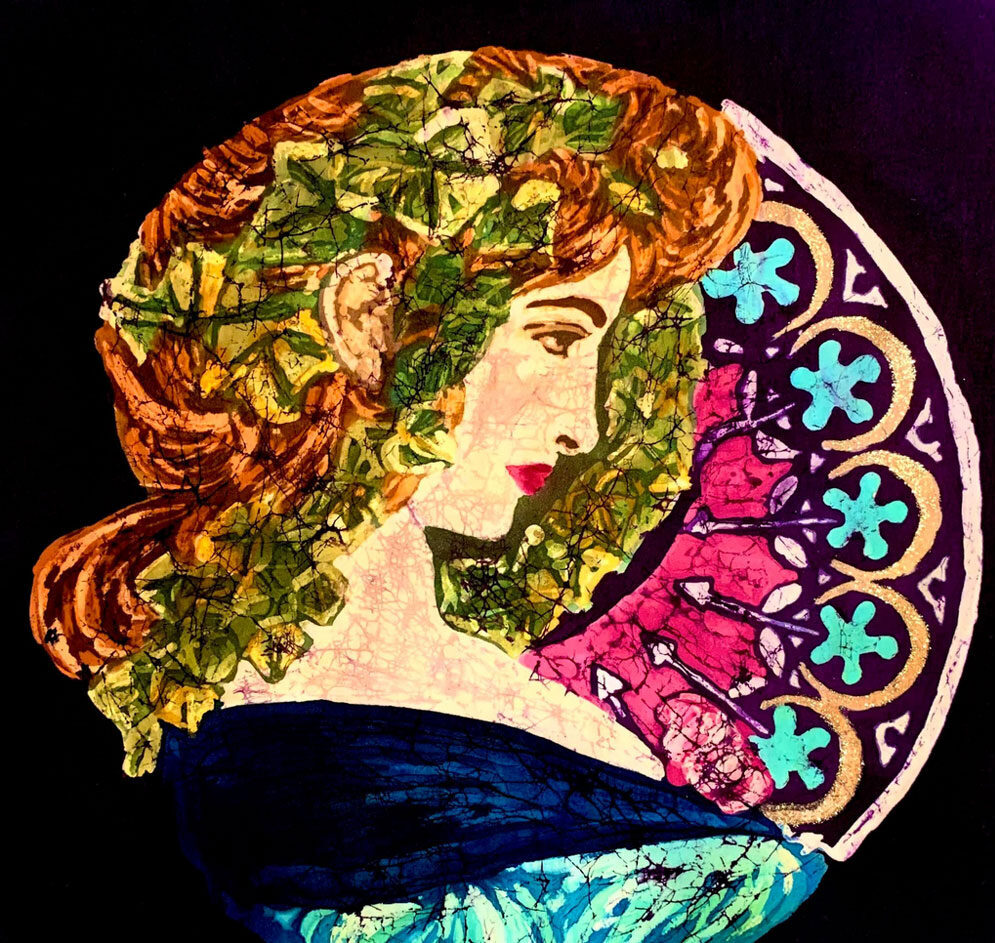
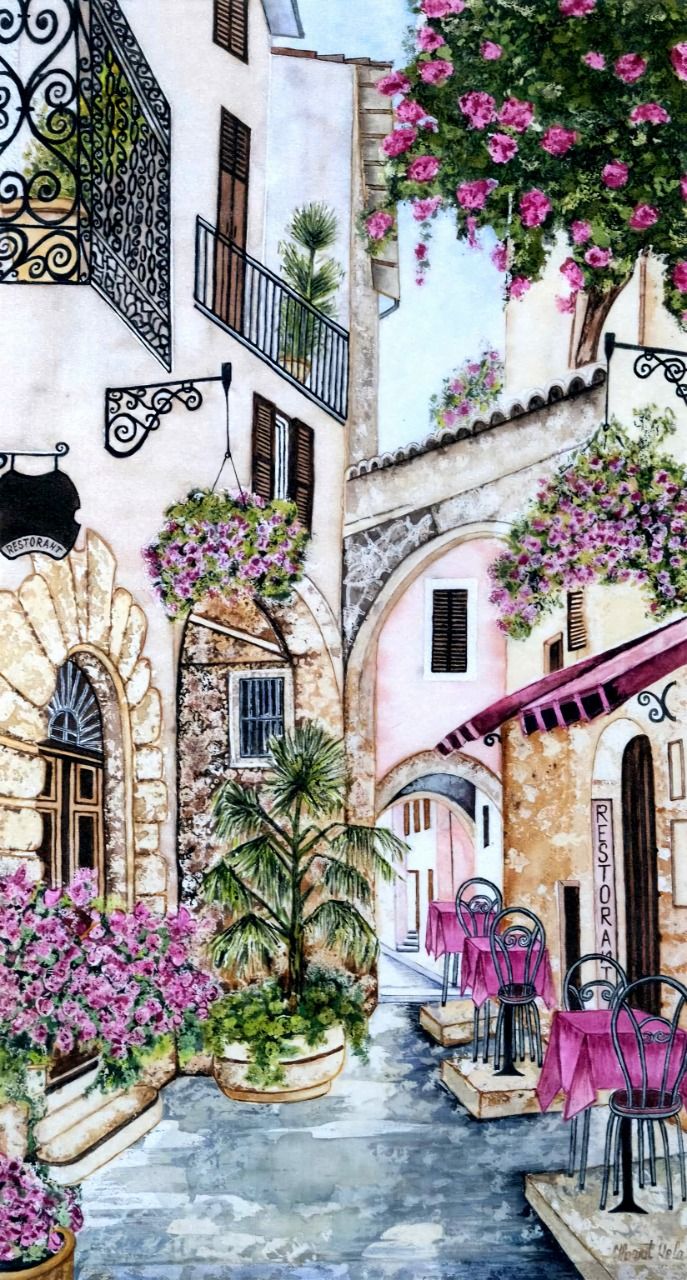
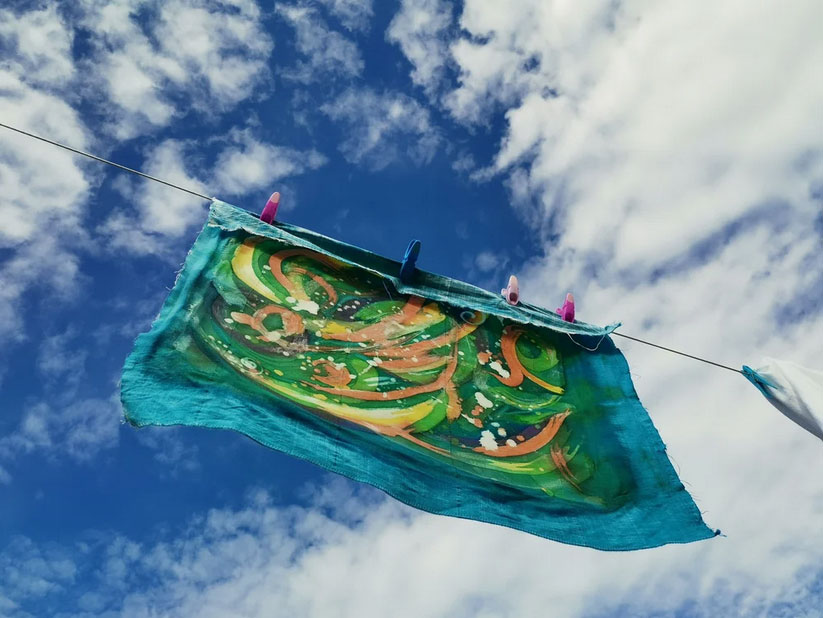
Across countries such as the Netherlands, Germany, Britain, and France—with the UK playing a particularly active role in studio craft and art education—batik found a home in artists’ studios, craft workshops, and eventually schools and community centers. The Netherlands, with its strong colonial ties to Indonesia through the Dutch East Indies, played a particularly significant role in introducing Javanese batik to a European audience, and Dutch designers were among the first to experiment with adapting the technique to their own aesthetic sensibilities.
Over time, European batik developed its own character—often freer in composition and less governed by the symbolic conventions that shaped traditional Asian practice. Artists used it to produce wall hangings, scarves, furnishing fabrics, and fine art pieces, treating the wax-resist method as one tool among many in a broader creative practice. Rather than being passed down through generations of family or community, European batik evolved through observation, trial and error, and the exchange of ideas across artistic circles. Today it continues to be practiced across the continent as both a studio craft and a popular workshop activity, valued for its meditative quality and the unpredictable beauty of the wax-resist process.