
Batik in
the UK
Batik in the UK
While the British Empire encountered resist-dyed textiles across Southeast Asia and the Indian subcontinent for centuries, batik remained largely preserved in museum archives and trade portfolios rather than active British studios. It was not until the post-war cultural shifts of the 1950s and 1960s—propelled by international overland travel along the “hippie trail” and an influx of Indonesian, African, and South Asian textiles—that British makers and designers began to directly explore the expressive potential of hot wax and cold-water dye.
Rather than replicating centuries-old ceremonial patterns, British practitioners embraced batik as a modern, experimental fine-art discipline. The medium transitioned rapidly from an exotic curiosity into art school workshops, bridging the gap between traditional craft, studio painting, and innovative textile design.
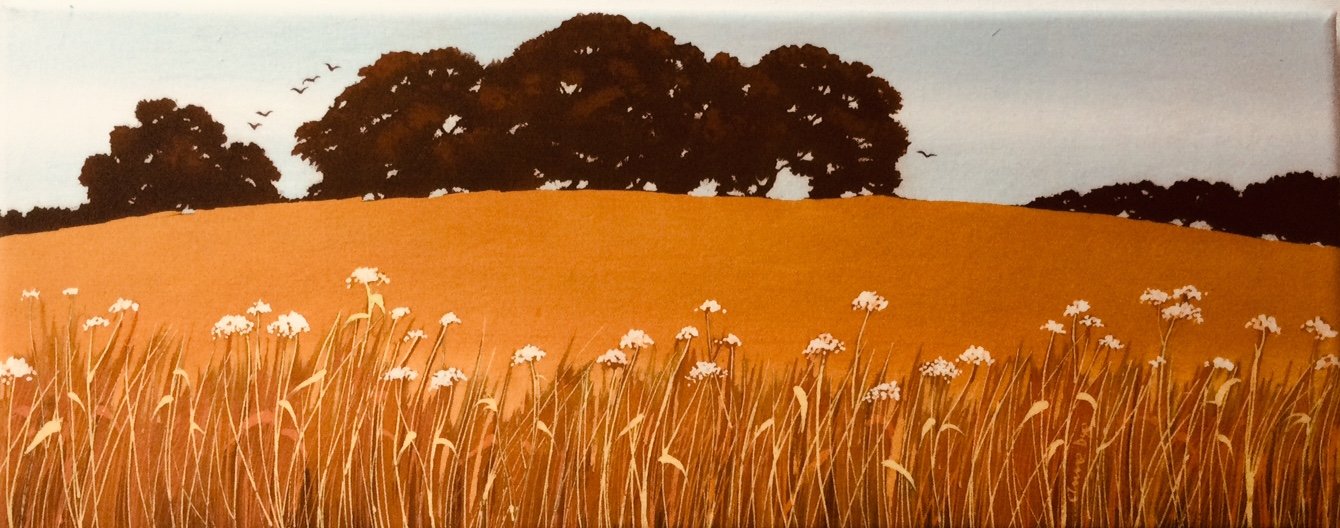
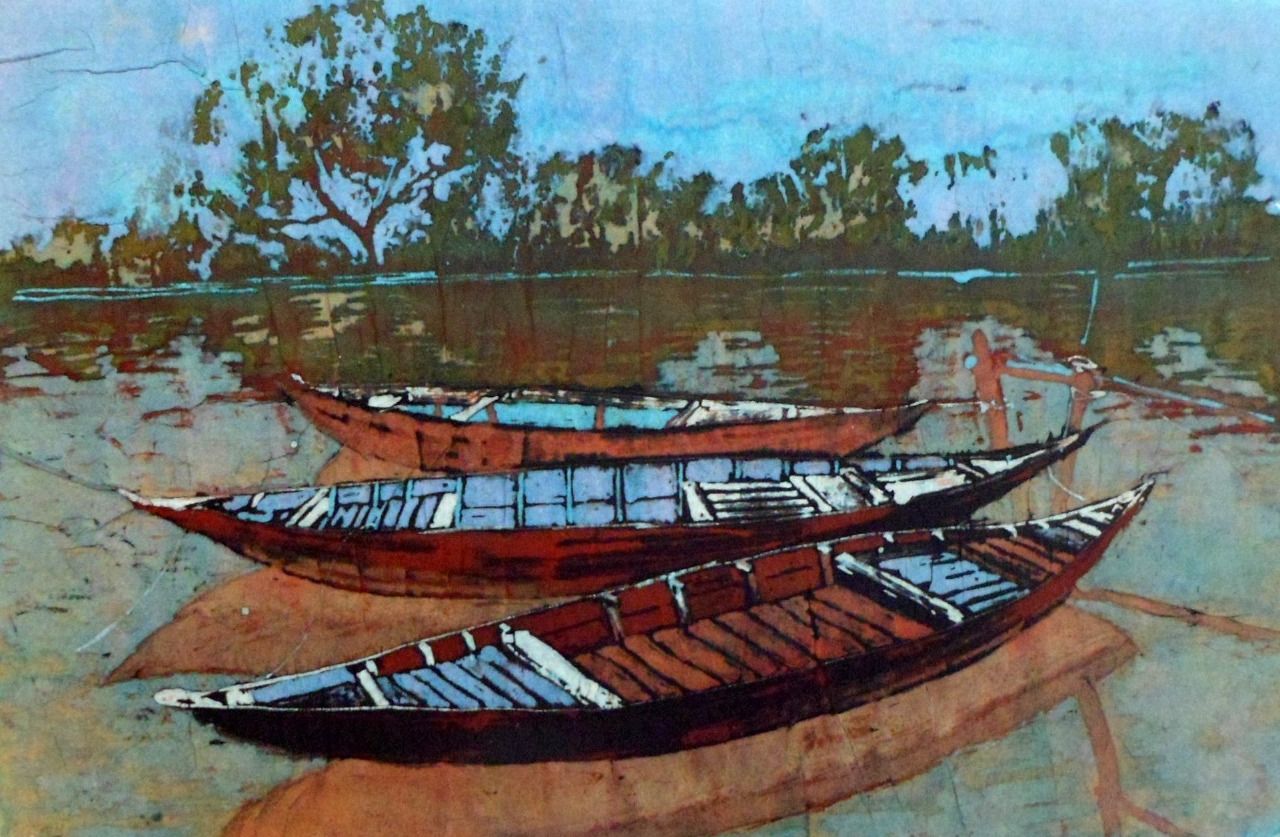
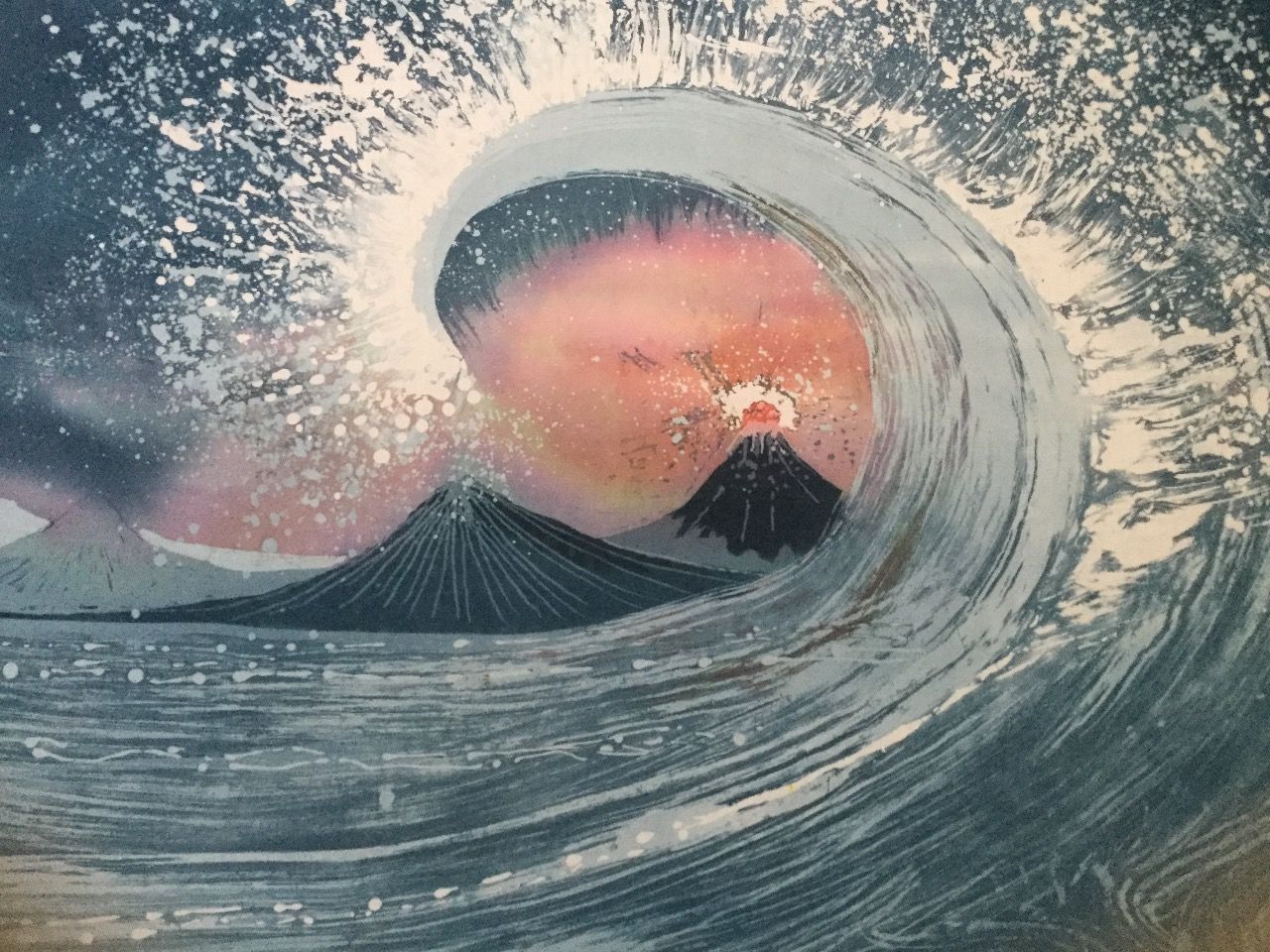
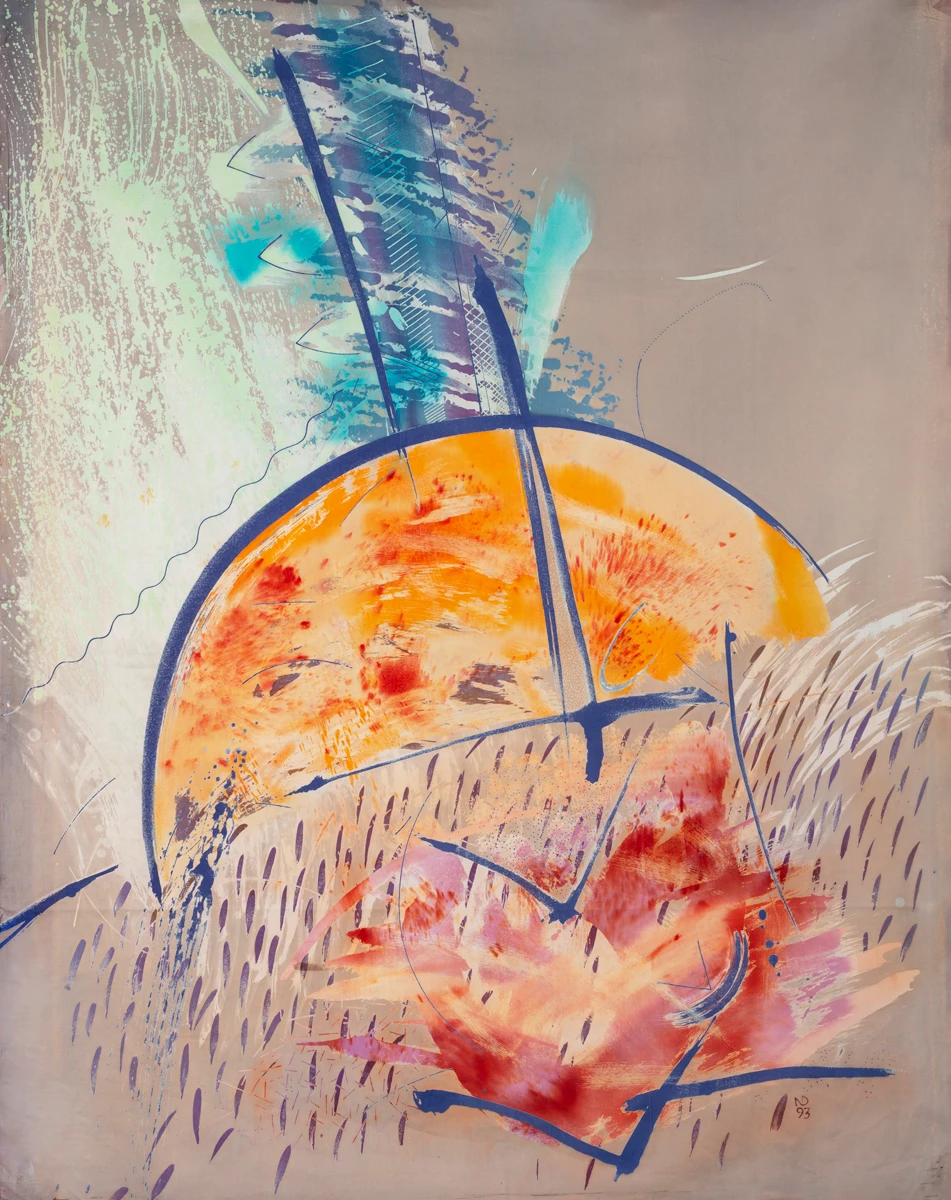
The 1960s Fine-Art Revival & Noel Dyrenforth
The turning point for British batik arrived in the 1960s, led by artists who recognized wax-resist as a standalone vehicle for abstract and painterly expression. Central to this movement was artist Noel Dyrenforth, who pioneered unconventional techniques—such as direct brushwork, scraping, masking, and reactive dyes on non-traditional fabrics—freeing batik from purely functional or decorative craft constraints. Dyrenforth’s studio teaching inspired an entire generation of British artists to look at wax not just as a mechanical resist, but as an energetic, mark-making medium.
The Birth of the Batik Guild & Contemporary Practice
By the mid-1980s, the growing community of UK practitioners required a formal platform to share knowledge, exhibition opportunities, and technical experimentation. In 1986, a small group of Dyrenforth’s students formed the Batik Guild in London. What began as a dedicated UK network has since blossomed into a global guild connecting artists across continents. Today, British batik is characterized by its creative diversity: contemporary makers in the UK continually push boundaries, blending historical wax techniques with mixed media, digital imagery, paper, and sculpture while keeping traditional wax-resist traditions alive.
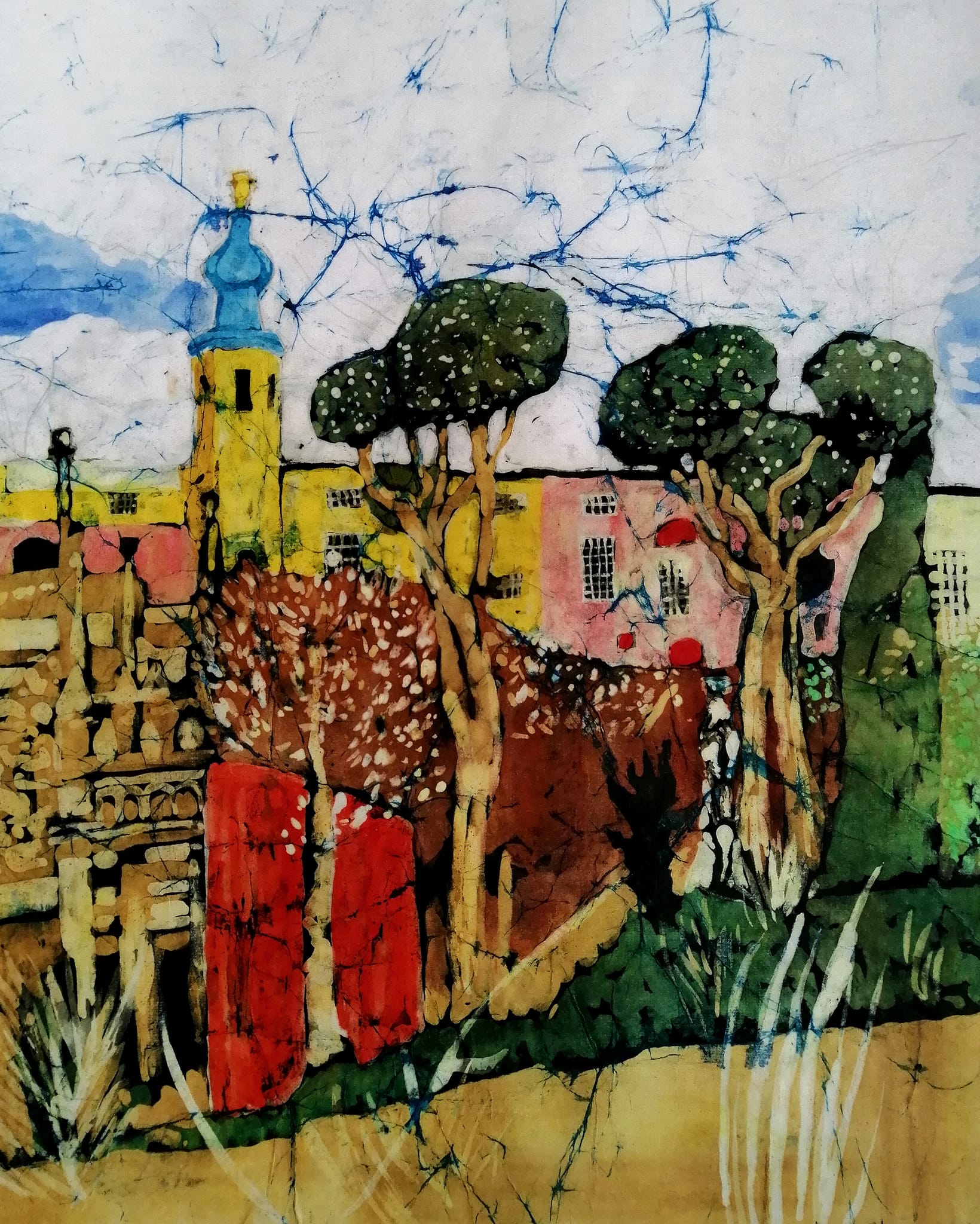
- Our UK Artists -